Recurring microbial contamination is one of the most frustrating challenges manufacturers face. Production lines may pass routine cleaning, microbial counts may initially appear acceptable, yet contamination continues to return without an obvious source. In many cases, the problem isn’t ineffective cleaning, it’s biofilms.
Biofilms are among the most underestimated causes of persistent contamination across industrial facilities. They can develop inside pipes, tanks, mixing vessels, cooling systems, production equipment, and water distribution networks, creating a hidden reservoir of microorganisms that continuously reintroduces contamination into manufacturing processes.
As industries continue to adopt higher hygiene standards and stricter quality requirements, understanding biofilms has become essential for maintaining product quality, reducing downtime, and protecting manufacturing assets.
What Are Biofilms?
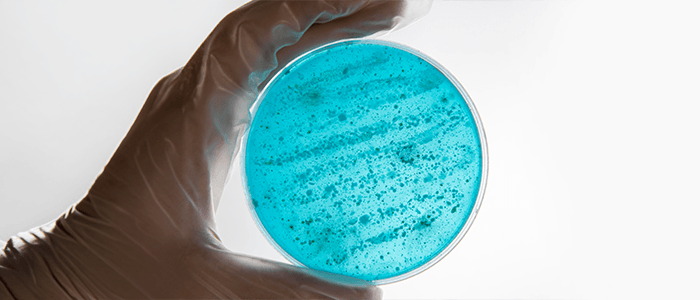
A biofilm is a structured community of mic roorganisms that attaches itself to a surface and becomes enclosed within a protective matrix of extracellular polymers. This natural barrier allows bacteria, fungi, and other microorganisms to survive in environments that would normally eliminate free floating microbes.
Unlike planktonic microorganisms that move freely through water or formulations, microorganisms within a biofilm behave differently. Once attached to a surface, they begin producing a protective layer that anchors them firmly in place and shields them from environmental stress.
This protective matrix makes biofilms significantly more difficult to remove than ordinary microbial contamination, allowing them to persist for extended periods even in facilities with regular cleaning programs.
Why Standard Cleaning Often Fails
Many manufacturers assume that routine cleaning and sanitation procedures completely eliminate microbial contamination. While conventional cleaning is effective against microorganisms suspended in liquids, it often struggles to remove microorganisms protected within mature biofilms.
The biofilm matrix acts as a physical barrier that limits the penetration of cleaning chemicals and disinfectants. As a result, surface cleaning may remove only the outer layer of contamination while leaving the underlying microbial community intact.
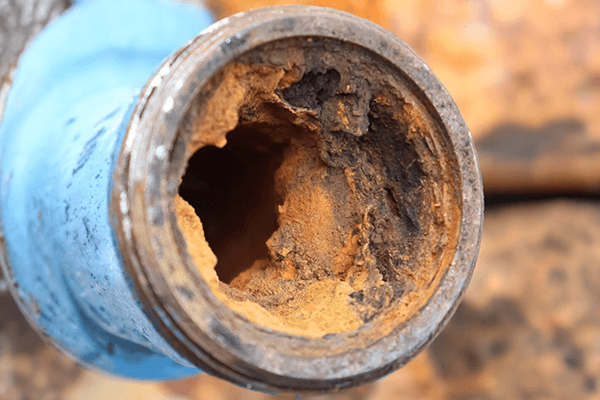
Once cleaning is complete, the remaining microorganisms quickly regenerate the biofilm and continue releasing new microorganisms into the production environment. This explains why contamination frequently returns despite repeated cleaning cycles.
Without addressing the biofilm itself, manufacturers often find themselves treating the symptoms rather than eliminating the root cause.
The Impact of Biofilms on Industrial Manufacturing
Biofilms affect far more than hygiene. Their presence can influence product quality, equipment performance, operational efficiency, and maintenance costs across multiple industries.
In water treatment systems, biofilms reduce flow efficiency, increase energy consumption, and contribute to microbiologically influenced corrosion (MIC). Within manufacturing equipment, they create continuous contamination sources that compromise product consistency and shorten shelf life.
For industries producing paints, coatings, detergents, adhesives, cosmetics, and personal care products, biofilms can cause persistent microbial contamination that results in:
- Viscosity changes that affect product consistency and application performance.
- Unpleasant odors caused by microbial activity during storage or use.
- Discoloration and product degradation, reducing visual and functional quality.
- Reduced product stability and shorter shelf life, leading to premature spoilage.
- Recurring contamination despite routine cleaning and preservation efforts.
- Customer complaints, product returns, and increased operational costs, impacting brand reputation and profitability.
Because biofilms continuously release microorganisms into surrounding environments, even a small untreated area can repeatedly contaminate an entire production system.
Why Water-Based Manufacturing Is Especially Vulnerable
Water is essential to many industrial formulations, but it also provides ideal conditions for microbial growth.
Manufacturing sectors such as paints, detergents, personal care products, construction chemicals, adhesives, and water treatment systems all rely heavily on water-based processes. Moisture, nutrients, and warm operating conditions create an environment where microorganisms can rapidly establish biofilms if hygiene programs are not carefully managed.
Production equipment that experiences stagnant water, infrequent cleaning, or inconsistent sanitation becomes particularly susceptible to biofilm formation. Over time, these microbial communities become increasingly resistant to conventional cleaning methods, making prevention far more effective than correction.
Detecting Biofilms Before They Become a Problem
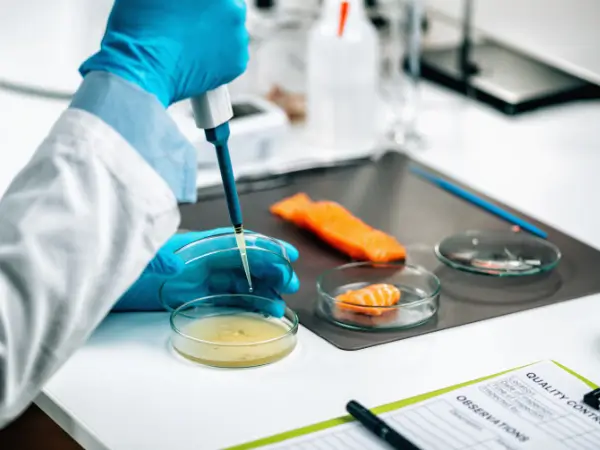
One of the greatest challenges associated with biofilms is that they are rarely visible during the early stages of development.
A manufacturing system may appear perfectly clean while microbial communities continue growing beneath the surface. By the time contamination becomes noticeable through product failures or elevated microbial counts, the biofilm is often already well established.
Manufacturers increasingly rely on microbiological monitoring programs to detect contamination before it affects production. Environmental swabbing, ATP monitoring, microbial culture methods, and rapid detection technologies all play valuable roles in identifying hygiene issues early.
Routine monitoring helps quality teams identify contamination trends, evaluate cleaning effectiveness, and take corrective action before product quality is compromised.
Effective Biofilm Prevention and Control
Managing biofilms requires more than stronger disinfectants. Successful control depends on a comprehensive hygiene strategy that combines prevention, monitoring, and targeted microbial control.
The first priority is preventing microorganisms from attaching to surfaces through proper equipment design, effective sanitation procedures, and controlled water quality. Once attachment occurs, regular cleaning programs must physically disrupt developing biofilms before they mature into highly resistant microbial communities.
Where biofilms have already become established, manufacturers often require specialized cleaning chemistry combined with carefully selected biocides capable of penetrating the protective matrix and eliminating microorganisms at their source.
Equally important is maintaining ongoing hygiene monitoring after treatment. Continuous verification ensures that biofilms do not re-establish themselves and that cleaning procedures remain effective over time.
The Future of Biofilm Management
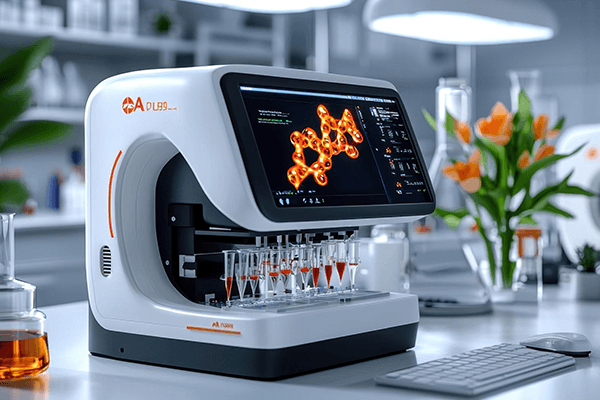
As industrial manufacturing becomes increasingly automated and quality standards continue to rise, biofilm management is becoming an integral part of modern production systems.
Manufacturers are moving beyond reactive cleaning programs toward predictive contamination management. Rapid microbiological monitoring, digital hygiene verification, targeted biocide programs, and risk-based sanitation strategies allow facilities to identify contamination before it affects production.
At the same time, preservation specialists are developing more advanced antimicrobial technologies designed specifically to address biofilm-related challenges while supporting regulatory compliance and sustainability objectives.
Rather than viewing biofilm control as a maintenance activity, leading manufacturers increasingly recognize it as a strategic investment in product quality, operational efficiency, and long-term asset protection.
Why Technical Expertise Matters
Every manufacturing facility presents different contamination risks. Water quality, production schedules, raw materials, equipment design, and environmental conditions all influence biofilm formation.
Developing an effective control strategy therefore requires more than selecting a cleaning chemical or biocide. It requires understanding the complete manufacturing process and identifying where contamination risks originate.
Working with experienced technical specialists enables manufacturers to develop customized hygiene programs that combine microbial monitoring, targeted preservation, and effective sanitation practices to reduce recurring contamination and improve operational reliability.
Partner with ACTIVA International
At ACTIVA International, we help manufacturers address microbial contamination before it becomes a production problem.
Our technical specialists develop customized preservation and hygiene strategies for water treatment, paints, coatings, detergents, personal care products, adhesives, and industrial manufacturing. By combining microbiological expertise with application-specific biocide solutions, we help manufacturers improve product stability, reduce contamination risks, and maintain reliable production performance.
Contact ACTIVA International to discuss the right microbial control strategy for your manufacturing process.