A product that passes every laboratory test can still fail once it reaches the market. This challenge affects manufacturers across industries, including food, cosmetics, paints, home care, and every pharmaceutical product that depends on effective preservation. Understanding why products fail despite passing laboratory tests is essential for protecting product quality, reducing recalls, and maintaining customer trust.
Many manufacturers invest heavily in laboratory testing, yet they still experience unexpected spoilage after launch. The reason is simple: laboratory conditions are controlled, while real-world conditions are unpredictable. Effective microbial protection requires more than successful lab results—it requires understanding how products behave throughout the entire production process, supply chain, and customer use.
Why Laboratory Tests Are Not Enough
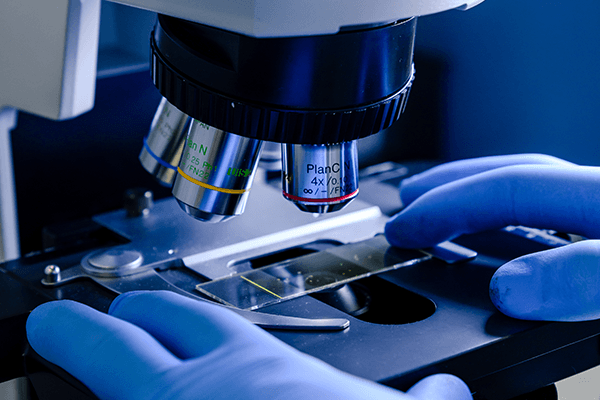
Laboratory testing is an essential step in product development. It measures preservative efficacy under controlled conditions where temperature, humidity, contamination levels, and handling are carefully managed.
However, these conditions rarely reflect what products experience after they leave the factory. Products move through warehouses, shipping containers, distribution centers, and retail shelves before reaching customers. During this journey, they face changing environments that laboratory testing cannot fully reproduce.
This is why real-world product stability testing has become an important part of modern product development. It helps manufacturers identify risks before products reach the market.
How Temperature Affects Product Stability
 One of the biggest factors influencing product stability is temperature.
Products may be manufactured in climate-controlled facilities but later experience extreme heat, cold, or repeated temperature cycling during transportation and supply chain storage.
These changes can reduce preservative performance, affect product formulation, and create conditions that encourage microbial growth. Understanding how temperature affects product stability allows manufacturers to design products that remain effective throughout their intended shelf life.
Testing products under realistic storage and transportation conditions provides valuable insights that laboratory testing alone cannot deliver.
Causes of Microbial Contamination in Manufacturing
Many manufacturers assume contamination begins with raw materials, but the causes of microbial contamination in manufacturing are often much more complex.
Microorganisms can enter products during multiple stages of the production process, including mixing, transfer, packaging, and especially filling process contamination.
Even modern industrial manufacturing facilities face contamination risks if equipment, packaging materials, water systems, or production environments are not properly controlled.
The Role of Water Quality in Product Performance
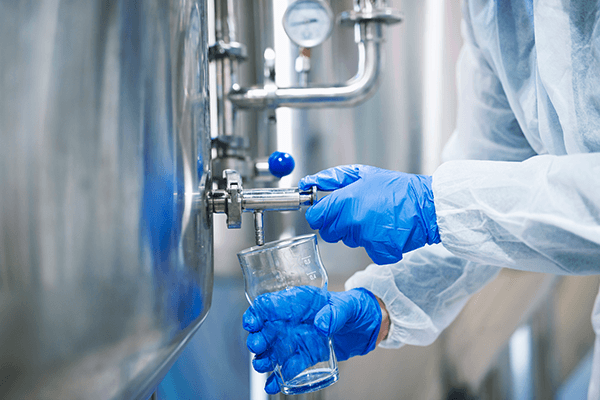
Water is one of the most common ingredients in industrial and consumer products. However, water quality varies significantly between manufacturing locations. Mineral content, microbial load, pH, and dissolved salts all influence preservative performance.
High-quality water is the foundation of reliable manufacturing. Visit our Water Treatment Solutions page to learn how Activa supports microbial protection through advanced water treatment technologies.
Preservation System Validation Under Real Conditions
Developing an effective preservative system requires more than passing laboratory tests. Manufacturers should perform preservation system validation under conditions that closely resemble actual product use.
This includes:
- Temperature cycling
- Transportation simulation
- Long term storage studies
- Repeated opening and closing
- Simulated contamination events
- Different water qualities
These studies provide valuable information that standard laboratory evaluations may overlook. Comprehensive stability testing gives manufacturers greater confidence that products will perform consistently after commercial launch.
Best Practices for Microbial Protection
There is no single solution that guarantees successful microbial protection. Instead, manufacturers should follow several best practices for microbial protection throughout the product lifecycle.
These include selecting appropriate preservatives, validating formulations under realistic conditions, maintaining hygienic manufacturing processes, monitoring environmental contamination, controlling water quality, and implementing sustainable quality assurance systems. Combining these practices significantly reduces the risk of microbial failure after products reach customers.
Preventing Product Spoilage During Storage
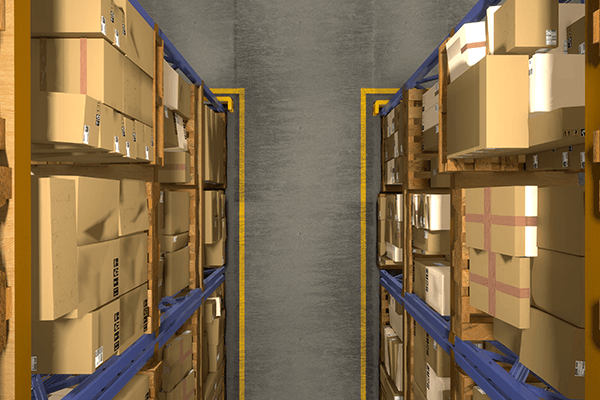
One of the most effective ways of preventing product spoilage during storage is understanding the complete journey of a product. Manufacturers that evaluate products across the entire supply chain are better prepared to identify weaknesses before they become expensive quality issues.
Successful microbial protection depends on anticipating real-world challenges rather than relying solely on laboratory performance.
How To Strengthen Your Preservation Strategy?
Effective microbial protection goes beyond passing laboratory tests. It requires preservation systems that continue to perform under real-world manufacturing, storage, transportation, and end-use conditions.
At Activa, we help manufacturers bridge the gap between laboratory success and market performance. Our preservation solutions are designed to deliver reliable microbial protection, supporting product stability, shelf life, and quality across a wide range of industries and applications.
Looking to strengthen your preservation strategy? Contact Activa’s technical experts to discuss the right microbial protection solution for your products.